
SEPTIC TANK PUMPING MENIFEE, CA
Septic Tank Pumping & Septic Service in Menifee, CA
Menifee Septic Service provides septic tank pumping and septic service for homes and businesses in Menifee and Southwest Riverside County. Call today for a fast, free estimate.
- Licensed & Insured
- Locally Owned
- Serving Since 2016
Get a Free Estimate
Septic Services for Menifee Homes & Businesses
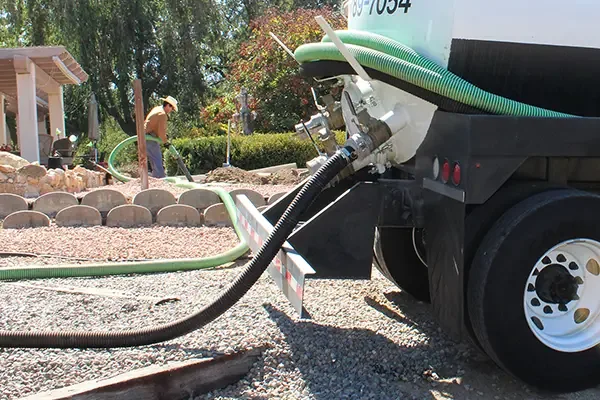
Septic Tank Pumping
Routine pumping removes accumulated solids and helps protect the tank, piping, and drain field from avoidable stress.
- Tank pumping and waste removal
- Sludge and scum levels checked when accessible
- Visible lids, baffles, and accessible components reviewed
Septic Tank Cleaning
Thorough septic tank cleaning for systems that need more than a basic pump-out, helping remove built-up material from the tank.
- Tank contents removed through a complete pump-out
- Built-up material addressed where it is accessible and serviceable
- Condition of accessible tank components noted during service
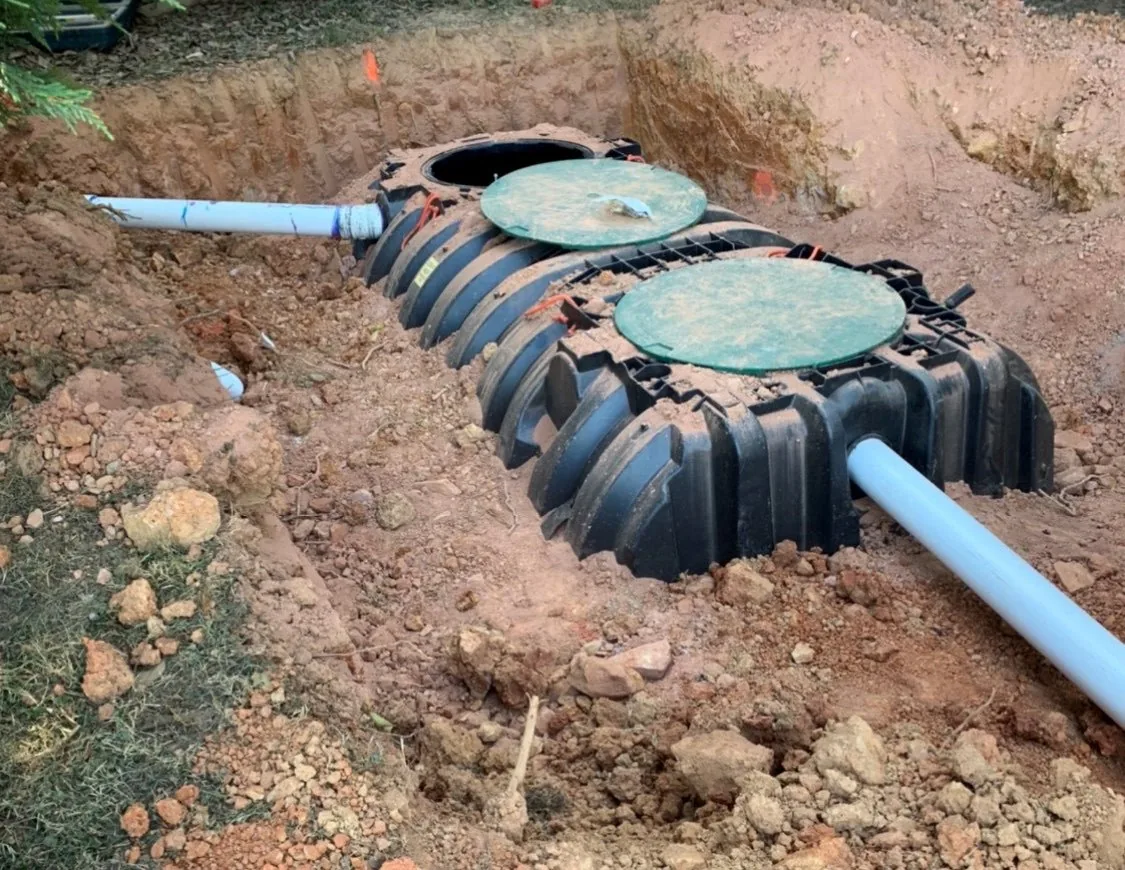
Septic System Repair
Repair support for septic problems such as damaged components, recurring backups, odors, leaks, or poor system performance.
- Problem symptoms evaluated before repair work is recommended
- Accessible damaged septic components addressed where appropriate
- Next-step recommendations explained from the service findings
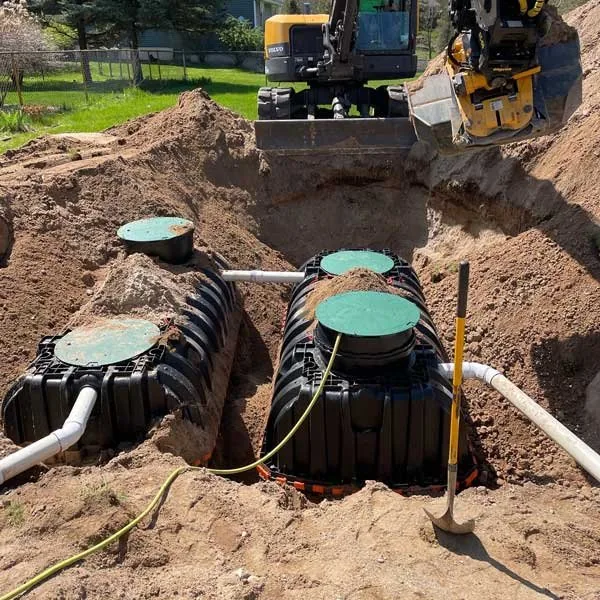
Septic Tank Installation
Septic tank installation for new or replacement systems, planned around the property, system needs, and applicable local requirements.
- System needs reviewed before installation work begins
- Tank placement and installation steps coordinated with the property
- Connections and accessible components checked as work is completed
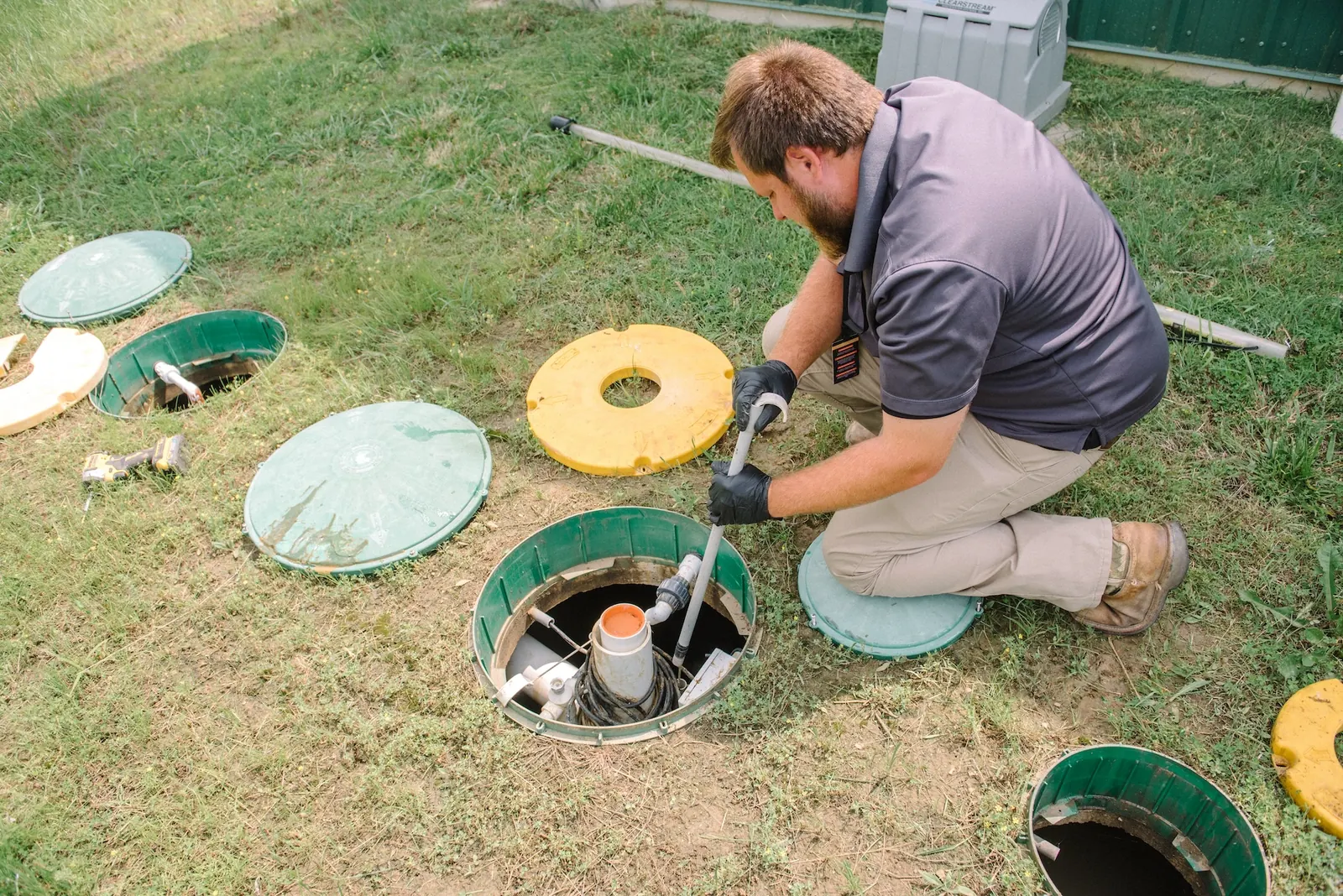
Septic Inspections
Septic inspections for maintenance, troubleshooting, or property transactions, based on what the customer needs checked during the visit.
- Accessible septic components evaluated for useful condition information
- System condition and visible concerns documented for the customer
- Findings and practical next steps explained clearly after inspection
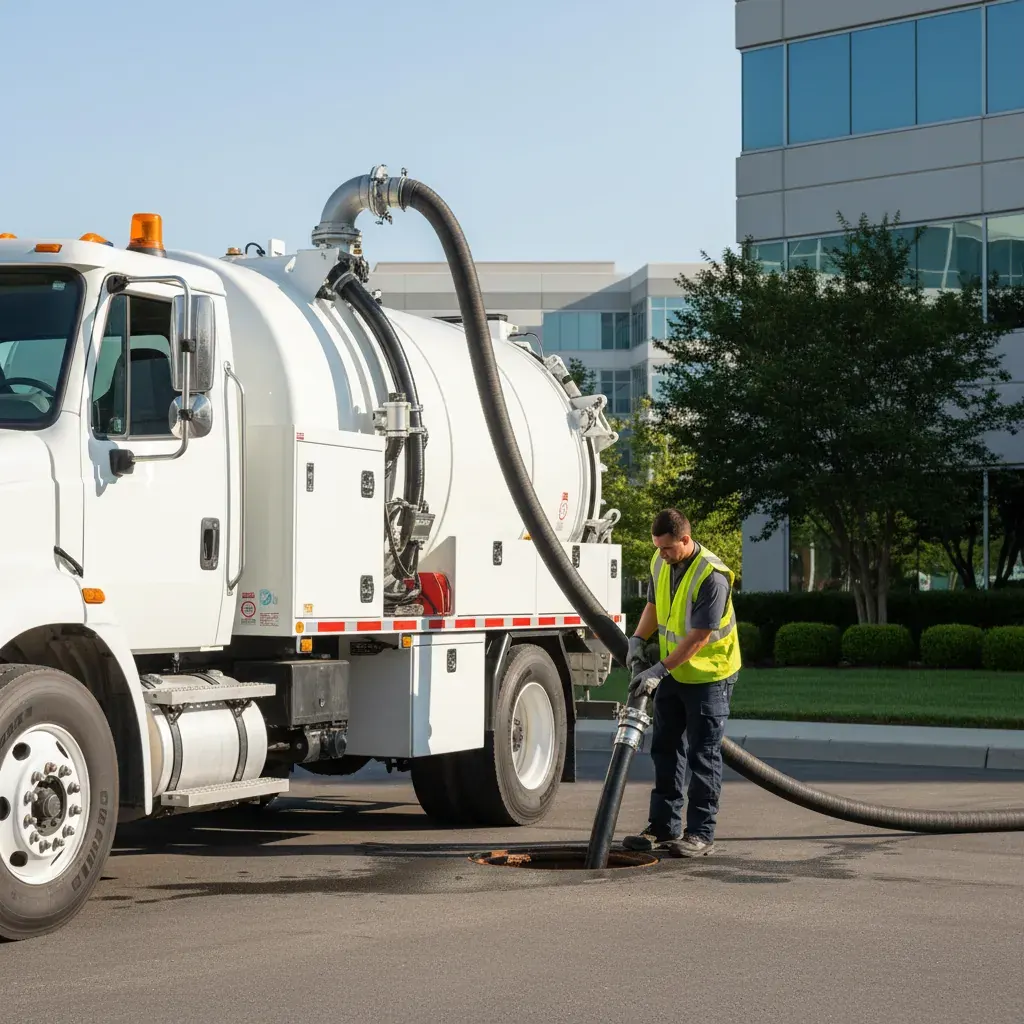
Commercial Septic Services
Septic service for businesses, facilities, and other commercial properties that need pumping, maintenance, inspections, repairs, or system support.
- Commercial pumping and maintenance options matched to the property
- Service planning based on wastewater use and operating needs
- System concerns and recommended next steps explained clearly
See What Professional Septic Pumping Removes
Drag the slider to compare the tank before and after pumping. The difference shows why routine service matters for system performance.
Remove Built-Up Solids
Pumping clears accumulated sludge and scum from the tank.
Reduce Backup Risk
Routine maintenance helps prevent avoidable system stress and backups.
Protect Long-Term Performance
Regular service supports the tank, piping, and drain field over time.
Before & After
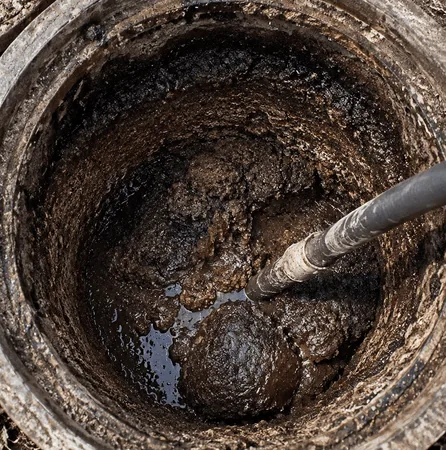
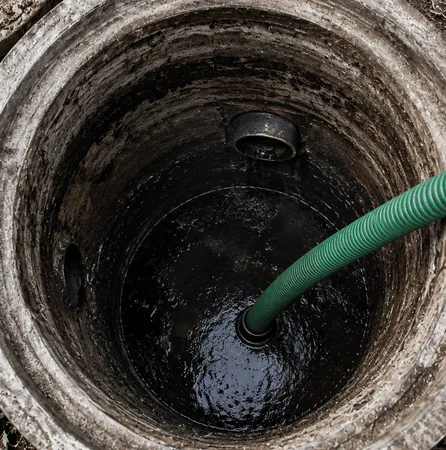
Example septic tank before and after cleaning. Appearance varies by system condition.
How Septic Service Works in Menifee, CA
Request a free estimate
Call (951) 669-2963 or send the estimate form with the service you need. We will use those details to help determine the next step.
We Confirm the Details
Tell us what is happening, what type of septic service you need, and anything you already know about the system so the appointment can be planned appropriately.
We Complete the Scheduled Service
The scheduled septic work is completed with attention to the system, surrounding property, and the service requested. We explain any important findings and next steps.
Good septic service should make the next step clear, whether you need routine pumping, maintenance, an inspection, or help with a system problem.
Septic Service Built Around What Customers Need
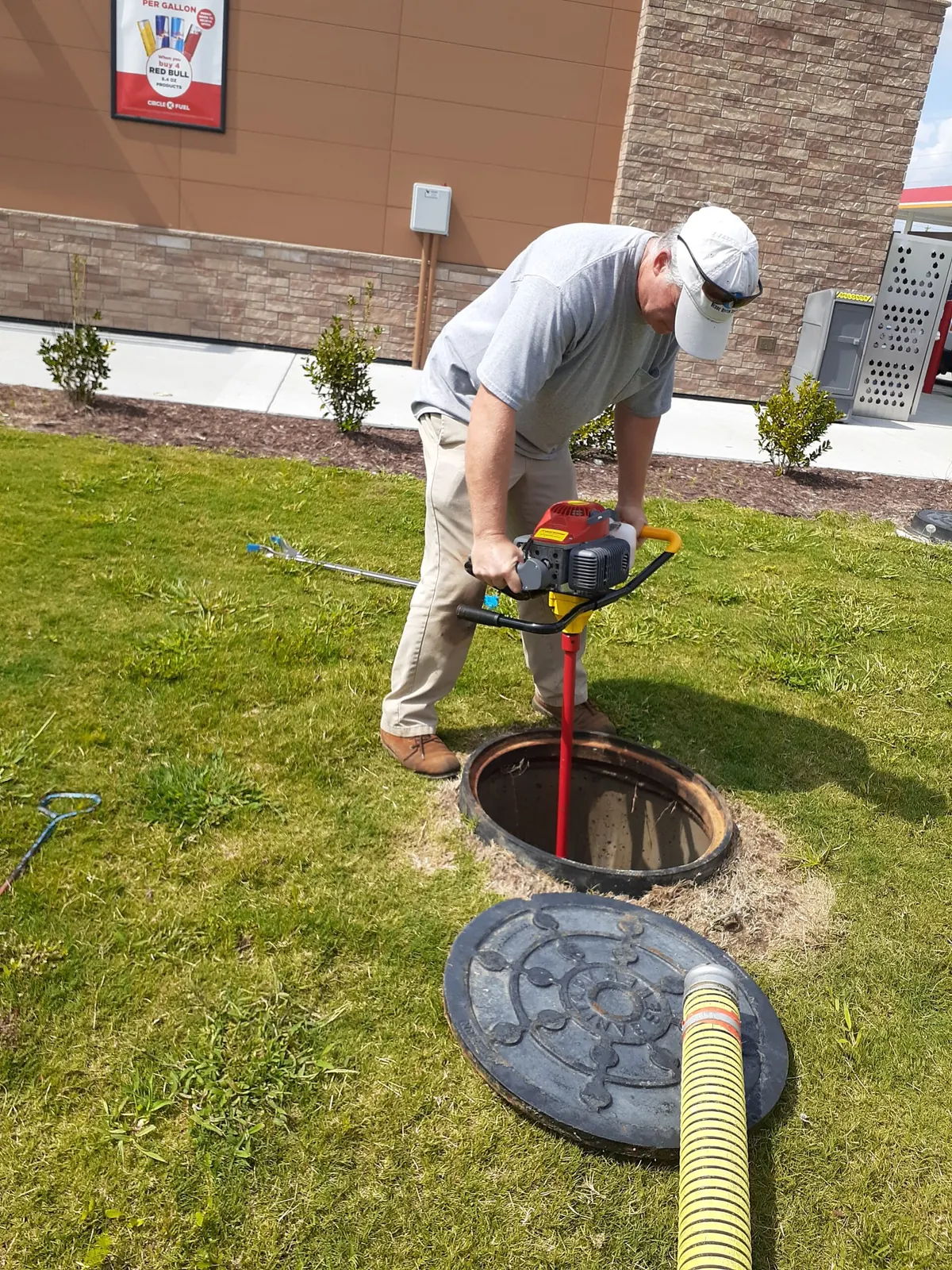
Clear, Free Estimates
Start with a straightforward estimate request by phone or form so you can understand the service being discussed before moving forward.
Residential & Commercial Options
We cover septic needs for homes, businesses, facilities, and other properties with septic systems throughout the Menifee service area.
More Than Pumping
Service options include cleaning, inspections, maintenance, repairs, installation, replacement, pump work, and other septic services.
Local Menifee Coverage
Menifee is the primary service area, with service also available in communities throughout Southwest Riverside County.
Septic Service Areas in Menifee & Southwest Riverside County
Septic Tank Pumping and Septic Service for Menifee Properties
Menifee Septic Service helps homeowners and businesses take care of septic systems with pumping, cleaning, inspections, maintenance, repair, installation, replacement, and related septic services. Whether you are planning routine maintenance or dealing with a problem, the goal is to make the service options understandable and help you move forward with the right next step for the system at your property.
Septic systems work quietly in the background until something changes. Slow drains, unusual odors, gurgling fixtures, wet areas near the system, alarms, or recurring backups can all be reasons to schedule service. Routine pumping is also important even when there are no obvious symptoms because solids continue to accumulate inside the tank over time.
Different symptoms can point to different parts of the system, so the service should match the problem instead of assuming every call only needs pumping. A full tank, damaged lid, pump issue, blocked line, or drain field concern can produce overlapping warning signs. Clear information about what you have noticed helps narrow down what should be checked first.
We serve residential and commercial customers in Menifee and throughout our Southwest Riverside County service area. Service needs can range from routine pumping and tank cleaning to inspections, maintenance, repairs, new installations, system replacement, pump repair, and emergency septic requests. The specific work depends on the system and the conditions found at the property.
When you are ready to request service, call (951) 669-2963 or use the estimate form. Share the service you need, the property location, and any symptoms or system history you know. That gives Menifee Septic Service a useful starting point for discussing the estimate and next steps without asking you to diagnose the system yourself.
Septic Pumping, Cleaning, Inspections, and Repairs in Menifee
Routine septic tank pumping removes accumulated sludge and scum before those solids take up too much working capacity in the tank. Staying ahead of excessive buildup can reduce the chance that solids move toward the outlet and place unnecessary stress on downstream components. The right pumping interval varies by tank size, household or business use, water consumption, and maintenance history.
Some properties need pumping more often than others. A busy household, high-use commercial property, smaller tank, garbage disposal use, or a system with a history of heavy solids can all affect how quickly material accumulates. If you are unsure when the tank was last serviced, an inspection or pumping visit can help establish a more useful maintenance baseline.
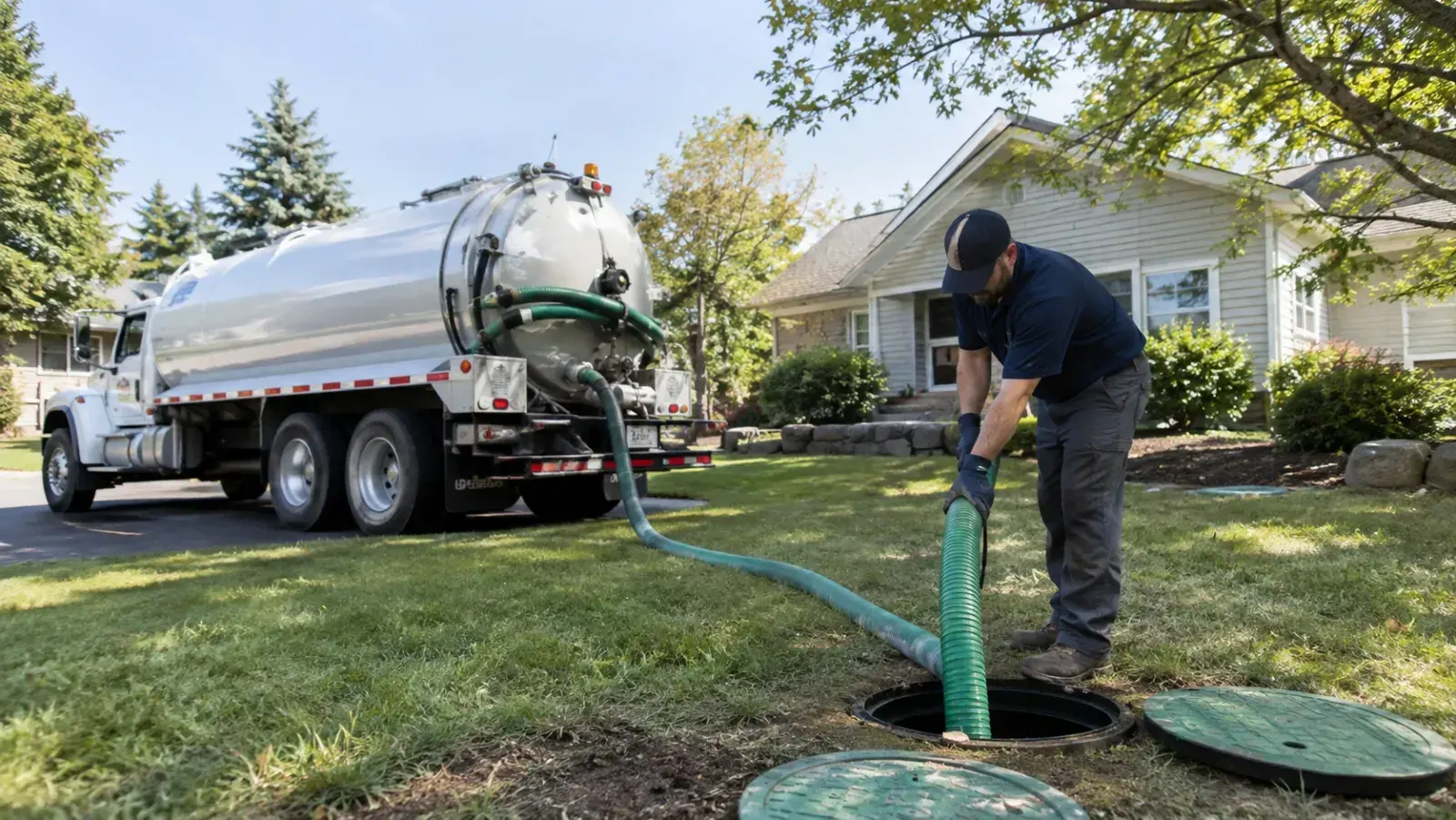
During pumping, accessible tank openings are used to remove the tank contents with vacuum equipment. The service also creates an opportunity to observe accessible lids, baffles, liquid levels, and other visible conditions. Pumping is maintenance, not a cure for every septic problem, so recurring symptoms after service may point to another component that needs evaluation.
Septic tank cleaning may be appropriate when the tank needs more thorough removal of accumulated material. Cleaning and pumping are related, but the exact work can vary with the condition of the tank and what is found inside. The service should be matched to the system rather than assuming every tank needs the same process.
Inspections can help with routine maintenance, troubleshooting, property transactions, or uncertainty about the condition of a system. What an inspection includes can vary depending on what is accessible and why the inspection is being requested. Before the appointment, it helps to clarify whether the customer needs a basic condition check, documentation, pumping, locating, or another specific service.
Repair work can involve lids, risers, accessible piping, pumps, alarms, baffles, or other septic components. A drain field concern is different from a damaged lid, and a pump problem is different from an overdue tank. Identifying the likely source of the issue helps avoid treating a symptom as though it were the entire problem.
What Affects the Cost of Septic Service in Menifee, CA
Septic service pricing depends on the type of work and the conditions at the property. Routine pumping is usually more predictable than repair, installation, or troubleshooting, but tank size, the number of tanks, lid access, hose distance, excavation needs, and the amount of material removed can all affect the work involved.
Easy access can make routine service more straightforward. A tank with accessible risers and a practical route for service equipment is different from a buried tank that must be located or exposed first. Gates, landscaping, steep or narrow access, soft ground, and distance from the service vehicle can also change how the appointment needs to be handled.
Tank capacity and system use matter as well. Residential and commercial properties can have very different wastewater loads, and a property with multiple tanks or a long gap between service visits may require additional time. Unusual debris or material that should not have entered the system can also make pumping or cleaning less routine.
Inspection pricing depends on what the customer needs to learn. A basic look at accessible components is different from an inspection that may involve locating tanks, opening lids, pumping, testing fixtures, documenting visible conditions, or preparing information for a property transaction. Confirming what the customer needs included helps prevent confusion about the service.
Repair costs depend on what failed, the materials involved, and how accessible the component is. Replacing a damaged lid is very different from pump work, broken piping, or a drain field problem. Installation and replacement projects can involve additional planning and local requirements, so those services need an estimate based on the actual system and property.
A free estimate gives you a clearer way to understand the work being discussed for your property. Good estimates should identify the requested service and explain important variables that may affect the job if additional conditions are discovered. If something is uncertain before the system is opened or inspected, it is better to explain that uncertainty than to pretend every septic job is identical.
Septic Maintenance and Drain Field Care for Menifee Homes
Septic maintenance is more than scheduling a pump truck. Water use, what enters the drains, landscaping, drainage, system components, and maintenance history all affect how a septic system performs. Simple habits can reduce unnecessary strain and help routine service provide more value over the life of the system.
Avoid flushing wipes, hygiene products, paper towels, grease, harsh chemicals, or other materials that do not break down like normal wastewater. Products marketed as flushable can still create problems in tanks, pumps, or piping. Garbage disposals can also increase the amount of solids entering the tank, which may influence how quickly service is needed.
Excess water can also challenge a septic system. Leaking toilets, dripping fixtures, unusually heavy laundry use, or other high water use can send more wastewater to the system than necessary. Repairing leaks and spreading high-use activities throughout the week can help reduce sudden hydraulic loading without making normal household routines complicated.
Protect the drain field from vehicles, heavy equipment, structures, and deep-rooted plantings. Driving or building over the area can compact soil or damage buried components, while large roots can create additional risk around lines and dispersal areas. Keeping the field accessible also makes future inspection and maintenance easier.
Surface water should be directed away from the septic system when practical. Roof runoff, irrigation, and grading that concentrate water over the tank or drain field can make already wet soil work harder to accept wastewater. If you notice persistent wet areas around the system, that is useful information to share when requesting service.
Risers can make future tank access easier by bringing lids closer to grade. Secure covers are important for safety, and damaged or loose lids should be addressed. Keeping records of pumping dates, inspections, repairs, system diagrams, and permits can also make future service easier because the next technician has a clearer history to work from.
Some septic systems include pumps, alarms, filters, or other components that require additional maintenance. An alarm should be treated as a signal to understand what is happening rather than something to silence and ignore. The maintenance plan should match the actual system installed at the property and the components that are accessible for service.
What to Know Before Scheduling Septic Service in Menifee
Start by describing what you need rather than trying to diagnose the system yourself. Tell the service provider whether you are scheduling routine pumping, seeing active symptoms, planning an inspection, considering a repair, or looking at installation or replacement. The more clearly the request is described, the easier it is to discuss the appropriate next step.
For pumping and cleaning, ask what the estimate assumes about tank access, tank size, the number of tanks, and whether lids are already exposed. For inspections, ask what will be evaluated and whether locating, pumping, documentation, or other steps are part of the requested service. Clear expectations help customers compare options more accurately.
If the system has active symptoms, share when they started and which fixtures or areas are affected. Mention backups, odors, alarms, wet spots, slow drains, and the most recent pumping date if you know it. Those details can help the service visit start with better information, but the actual cause still needs to be confirmed at the property.
It is also useful to understand the difference between maintenance and repair. Pumping a tank removes accumulated material, but it does not repair broken piping, a failed pump, or a drain field problem. If symptoms return quickly after pumping, additional evaluation may be needed instead of simply repeating the same service.
For a property transaction, discuss septic needs early enough that the required service can be scheduled without creating unnecessary pressure near closing. Buyers, sellers, agents, lenders, and local requirements may call for different documentation or inspection steps. The exact requirements should be confirmed for the transaction rather than assumed.
Keep the documentation you receive after service. Invoices, inspection notes, photos, repair descriptions, and maintenance recommendations can create a useful history for the property. That record makes it easier to answer future questions about when the tank was pumped, what was repaired, and what the next service provider should know.
When you are ready to discuss septic tank pumping or another septic service, contact Menifee Septic Service for a free estimate. Call (951) 669-2963 or use the online estimate form to tell us what you need and where the property is located.
Ready to get started? Request your free estimate or call (951) 669-2963.
Residential & Commercial Septic Service in Menifee, CA
Menifee Septic Service provides pumping, cleaning, inspections, maintenance, repairs, installation, replacement, pump service, and commercial septic options. Start with the service that matches your current need, or contact us if you are not sure which option fits the problem.
Questions About Septic Service in Menifee, CA
How often should a septic tank be pumped?
Most residential septic tanks need pumping every three to five years, but the right interval depends on tank size, household size, water use, garbage disposal use, and maintenance history. A busy household or vacation property may need service sooner.
What are the warning signs that my septic tank is full?
Common warning signs include slow drains, gurgling fixtures, sewage odors, wet or unusually green areas near the tank or drain field, and wastewater backing up into the home. These symptoms should be checked promptly because the cause may be more than a full tank.
Do you provide septic inspections?
Yes. Septic inspections can help with routine maintenance, troubleshooting, and real estate transactions. What is included depends on the system, access, and reason for the inspection, so we explain the service before the appointment.
Can septic pumping fix a failing drain field?
Pumping removes accumulated solids and may provide temporary relief, but it does not repair a failed drain field. If problems return quickly after pumping, the system may need further evaluation to identify drainage, piping, pump, or soil-related issues.
How much does septic service cost in Menifee, CA?
Pricing depends on the service, tank size, site access, lid depth, hose distance, number of tanks, and whether locating or excavation is needed. We provide a clear quote based on the conditions at your property instead of using one price for every system.
Do you offer free estimates?
Yes. Menifee Septic Service provides free estimates for septic services. Call (951) 669-2963 or submit the estimate form with the service you need and the property location.
What areas do you serve?
We serve Menifee, Quail Valley, Sun City, Romoland, Homeland, Winchester, Perris, Nuevo, Lake Elsinore, Wildomar, Canyon Lake, Hemet, San Jacinto, French Valley, Murrieta, and Temecula.
What septic services are available?
Our services include residential and commercial septic pumping, tank cleaning, repair, maintenance, inspections, installation, replacement, pump repair, drain field and leach field repair, holding tank pumping, emergency septic service, and commercial wastewater services.
How do I request a free estimate?
Call (951) 669-2963 or use the online estimate form. Tell us the service you need, the property location, and any symptoms or system history you know so the request starts with useful information.
Get a Free Estimate
Septic Service in Menifee, CA · Residential & Commercial · Free Estimate